What Happens When You Forget to Seal Your Driveway?
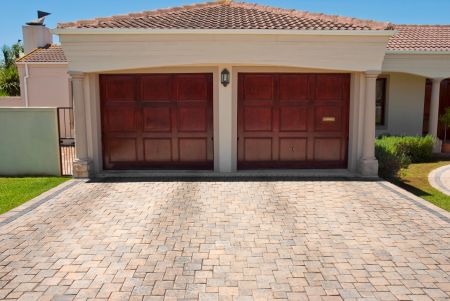
Skipping concrete sealing might seem harmless at first, but in Franklin, TN, the mix of hot sun, heavy rain, and winter freezes puts unsealed driveways under constant stress. Without protection, water, deicing salts, and oil soak in and start a slow breakdown that shows up as stains, pits, and cracks. If you want a durable, low‑maintenance surface, learn how a simple barrier makes all the difference and explore our team’s approach through our concrete sealing service. This guide explains what really happens when you forget the sealer and what you can do to protect your home’s curb appeal for the long haul.
Why Sealing Matters In Franklin, TN
Franklin sits in a climate with humid summers, sudden downpours, and chilly snaps that bring freeze‑thaw cycles. Each time moisture soaks into porous concrete and temperatures drop, that water expands and stresses the surface from the inside. UV exposure in long summer afternoons weakens the paste at the top of the slab and fades the color, while tires grind dust and grit into tiny pores. Over time, unsealed concrete loses strength at the surface and gets rough, blotchy, and harder to keep clean.
Neighborhoods like Westhaven, Fieldstone Farms, and McKay’s Mill often see runoff tracking across driveways after quick storms. When a slab is unsealed, muddy water and leaf tannins soak in and leave brownish shadows that are tough to remove. Oil drips from street parking near Cool Springs can set quickly on a warm slab and create permanent stains. A quality sealer blocks these intruders and gives you time to wipe messes away.
The Timeline Of Damage When You Skip Sealing
Concrete issues do not usually appear overnight. They creep in. Here is a realistic progression many Franklin homeowners notice when the driveway is never sealed, or the old sealer has fully worn off.
- Months 1–6: Dark tire marks and oil spots soak in faster, and light dusting appears after hot, dry spells.
- Months 6–18: Fine pores hold dirt and leaf stains, and cleaning becomes less effective. Small pits show up where water stands after storms.
- Years 2–3: Hairline cracks begin at control joints, corners, or where cars turn into the garage. Winter moisture magnifies each flaw.
- Years 3–5: Surface scaling and flaking spread in patches, especially near the street and shaded edges that stay damp.
That timeline speeds up around shaded driveways in Forrest Crossing or along streets that see more winter salting. It slows down on well‑drained, sunny driveways with minimal traffic. Either way, sealing is the easiest way to interrupt this chain before it gets expensive to fix.
Common Problems On Unsealed Concrete
Unsealed concrete acts like a sponge. The most common issues homeowners report are simple to understand once you know how porous the surface is.
- Stubborn stains from oil, fertilizer, mulch, and leaves that never fully wash out.
- Surface scaling that looks like thin chips lifting away near the top layer after winter.
- Spiderweb hairline cracks that widen each season and collect dirt and moisture.
- Color fade and chalky dust that make the driveway look older than it is.
Hairline cracks are more than cosmetic because they let water in and keep it there. That trapped moisture expands during cold snaps, which opens the crack further and creates a pathway for salts to reach the slab. As the cycle repeats, more of the surface weakens and spalls. Keeping water out is the whole point of sealing.
Local callout: In Middle Tennessee, quick temperature swings and occasional deicing salts are tough on plain concrete. Sealing before winter lowers the risk of scaling and helps the slab shed water after sudden storms.
How Professional Sealing Protects Your Driveway
Good sealing is less about making concrete shiny and more about closing off the pathways that moisture and contaminants use. A pro evaluates the concrete’s age, porosity, and previous coatings before choosing a product. Penetrating sealers soak in and react within the capillaries to shed water and salts without changing the surface texture. Film‑forming sealers sit on top to add sheen and extra stain resistance in driveways that see frequent oil drips or tire marks.
In Franklin settings with wet fall weather and occasional ice, penetrating sealers are common because they breathe and resist peeling. Driveways with decorative finishes or color often benefit from a film‑forming layer that deepens tone and makes cleaning easier. Either way, the goal is the same: build a barrier so liquids bead up and road salts cannot take root. If you want a deeper explanation of how this works in practice, you can read about it on our concrete sealing service page.
The Real Cost Of Waiting
Waiting to seal can feel like saving money, but the hidden costs add up. Repeated pressure washing to chase stains slowly wears the surface paste. Oil spots that set in may never fully come out, which can hurt resale value when buyers compare driveways on the same street. Cracks that could have stayed hairline become relocation paths for water and, eventually, trip hazards that need structural repair instead of a simple protective coating. In short, what starts as a small, preventable issue turns into a larger one that takes more time and materials to address.
Deicing salt is a major enemy of unsealed concrete because it wicks into pores and accelerates surface scaling. You may not salt the driveway at all, but passing traffic can carry salt brine onto the apron near the road. A sealed surface is far less likely to hold that moisture in place.
Franklin Factors: Sun, Shade, And Stormwater
Driveways in sun‑drenched sections of Westhaven or McLemore Farms can fade faster and show heat‑driven microcracking near the surface. Shaded driveways tucked behind tree lines in Sullivan Farms often stay damp longer after storms, which encourages staining and moss growth near edges. Lots with a slight slope toward the garage can leave water lines right at the entry where car tires pause and twist. Thoughtful sealing manages all three by limiting absorption and making cleanup simple with a gentle rinse.
How To Tell If Your Driveway Needs Sealing
There is a simple water test many pros use during evaluations. If a small splash of clean water beads for several minutes, you likely have some protection left. If it darkens the slab immediately and spreads, your old sealer has worn off. You might also notice that tire marks clean unevenly or that the driveway dries in blotchy patches after rain. Those are signals that moisture is moving in and out of the surface where it should not.
A practical rule of thumb in Middle Tennessee is to reassess your driveway every 2 to 3 years and reseal as needed based on wear, traffic, and exposure. That interval can be shorter for high‑traffic homes or longer for lightly used driveways with excellent drainage.
What About Patios, Walkways, And Garage Floors?
The same principles apply to concrete patios and front walks around Franklin. Patios collect grill grease and rust from lawn furniture, while front steps catch leaf tannins and dirty runoff. Sealing limits the blotches and makes Saturday cleanups much easier. In garages, where fluids and road salts are common, a protective layer helps prevent pitting right where you turn the wheel to pull into a spot.
Myths That Keep Homeowners From Sealing
Myth 1: “New concrete never needs sealing.” Most new slabs benefit from protection once they are fully cured, especially in climates that see winter freezes. Myth 2: “Sealing makes concrete slippery.” The right product and finish can maintain natural traction, and additives can improve grip if needed. Myth 3: “I can always clean stains later.” Some stains set within hours on a hot day and leave shadows no cleaner can fully remove.
How A Pro Approach Builds Long‑Term Value
Professional sealing is not just a roller and a can. It starts with inspection, cleaning that targets what is in your slab, and product selection that matches local weather and your specific surface. The application is measured and even, and cure times are respected so the barrier develops full strength. That is how your driveway stays bright and easy to maintain through summer storms and the occasional icy morning.
For a broader look at services and expertise, many homeowners start at the Rejuvenate Flooring home page and learn about concrete sealing in the context of the entire residential lineup. From there, you can dig into finishes and maintenance that fit your home and neighborhood.
Signs It Is Time To Act
If you see dark spots that will not lift, scaling near the street apron, chalky dust after sweeping, or small cracks holding dirt, it is likely time to refresh protection. Acting before winter is smart in Franklin because cold snaps can arrive quickly after rain. A quick evaluation from a trusted flooring contractor can map out next steps and an appropriate maintenance rhythm for your property.
Ready to protect your concrete driveway with professional concrete sealing in Franklin, TN? The right plan helps preserve color, resist stains, and reduce the odds of scaling or crack growth. To speak with a specialist at Rejuvenate Flooring, call 866-328-4114 and ask about scheduling a driveway review.
Choosing A Local Partner You Can Trust
Experience with Middle Tennessee weather matters. Look for a team that understands how penetrating and film‑forming products perform through humid summers and occasional winter ice. Ask about surface preparation, dry‑time windows, and how they protect adjacent landscaping and pavers. When you compare proposals, focus on process, product fit, and expected maintenance intervals rather than just a single feature or claim.
If you want a deeper dive on methods, finishes, and what to expect during the visit, you can read more within the details of sealing your concrete driveway. That page explains how protection, appearance, and maintenance come together to keep your hardscape looking great.
The Bottom Line For Franklin Homeowners
Forgetting to seal your driveway invites stains, moisture, and freeze‑thaw damage that are harder to fix later. A well‑chosen sealer closes pores, shields against salts, and makes cleanup simple after busy school mornings or weekend projects. With the right plan, your driveway in Franklin, TN can stay bright, safe, and easy to maintain year after year. If you are weighing options, start a conversation with Rejuvenate Flooring and learn how a focused, local approach can protect your curb appeal and your time.

What Our Clients Say About Our Work
Amazing work and such a cool crew. Love the creative ideas given throughout the project. [...]
- C NRejuvenate gave me the floor of my dreams in my primary suite, white epoxy. Everyone who visits my home goes crazy over them. [...]
- Donna K.Blake did the best job on my floors for my shop, I get compliments all the time, would recommend again! [...]
- Quionna P.Schedule Your Free On-Site Flooring Consultation.
Contact Our Flooring Contractors Today!